How to Choose the Right HVAC System for Your Space Apr 23, 2026
Firstly, assess the size of your space. The size of the area you want to heat or cool is a critical factor in determining the type of HVAC system that would be most effective. A system that's too large will cycle on and off frequently, wasting energy, while a system that's too small won't adequately maintain comfort levels. It's essential to calculate the square footage of your space and consider factors such as ceiling height, insulation, and the number of windows, as they all impact heating and cooling efficiency.
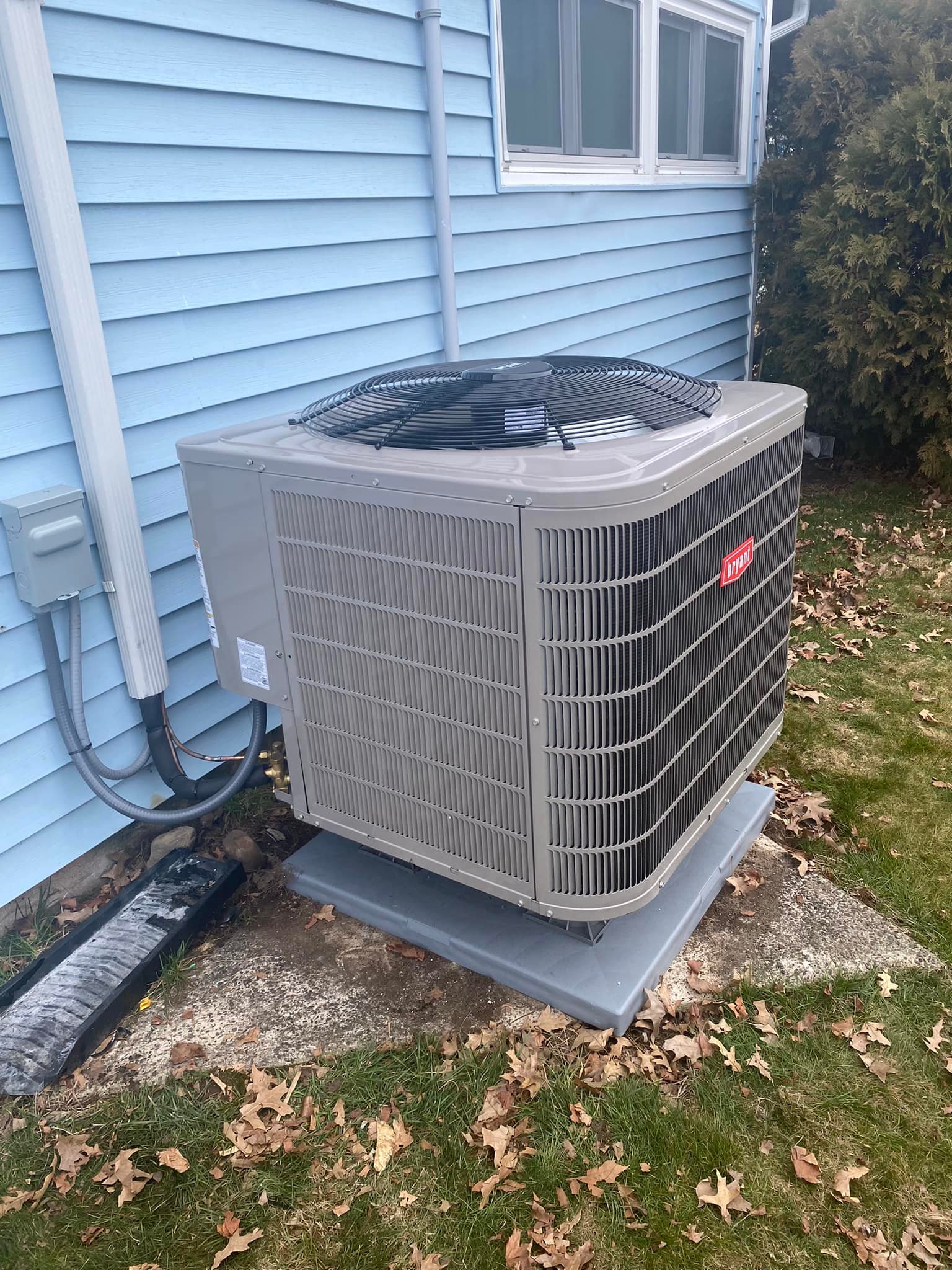
Next, consider the different types of HVAC systems available. Central air conditioning systems are ideal for maintaining a consistent temperature throughout larger spaces, as they operate through an extensive duct network. In contrast, if your space is smaller or does not have existing ductwork, a ductless mini-split system might be the right choice. These systems allow for individual room temperature control and tend to be more energy-efficient. For those interested in sustainable options, geothermal HVAC systems leverage the Earth's constant underground temperature for heating and cooling, offering long-term energy savings and environmental benefits.
Energy efficiency is another critical factor. Evaluating the Seasonal Energy Efficiency Ratio (SEER) for air conditioning systems or the Annual Fuel Utilization Efficiency (AFUE) for furnaces will help you gauge how efficient a system is. Higher SEER and AFUE ratings generally translate to lower operating costs. Additionally, depending on your location, you might qualify for energy tax credits or rebates, which can offset the initial investment cost for more efficient systems.
Considering your budget is also essential when choosing an HVAC system. While it's tempting to opt for a less expensive system upfront, it's vital to consider the total cost of ownership, including installation, maintenance, and operating expenses. Energy-efficient systems might have a higher initial cost but could save you money in the long run through reduced utility bills.
Lastly, think about additional features and technology. Some systems come with smart thermostats that allow for remote temperature control through an app, offering convenience and potential energy savings. Air quality is another consideration; systems with advanced filtration can help improve indoor air quality, which is particularly important for those with allergies or respiratory issues.
In conclusion, selecting the right HVAC system for your space involves a careful evaluation of your needs and priorities. By considering factors such as space size, system type, energy efficiency, budget, and additional features, you can make an informed decision that ensures comfort, efficiency, and savings. Caldwell Heating and Air Conditioning Services is always here to assist with professional guidance and installation, ensuring you find the perfect solution for your space. Remember, investing time upfront to research your options can lead to long-term satisfaction and efficiency in your indoor environment.
/filters:no_upscale()/filters:format(webp)/media/01ea8485-6fdc-4fbb-8f12-aee43dc3179e.jpeg)